Introducing the Dr Esthé Spicule Treatment at Tivoli Rose

We are so excited to introduce the Dr Esthé Spicule Treatment to our clinic: a Korean-developed facial that's become one of the most talked-about treatments in professional skincare internationally.

If you've never heard of spicules, you're not alone. Here's exactly what they are, how they work, and why we think your skin is going to love them.
What are spicules?

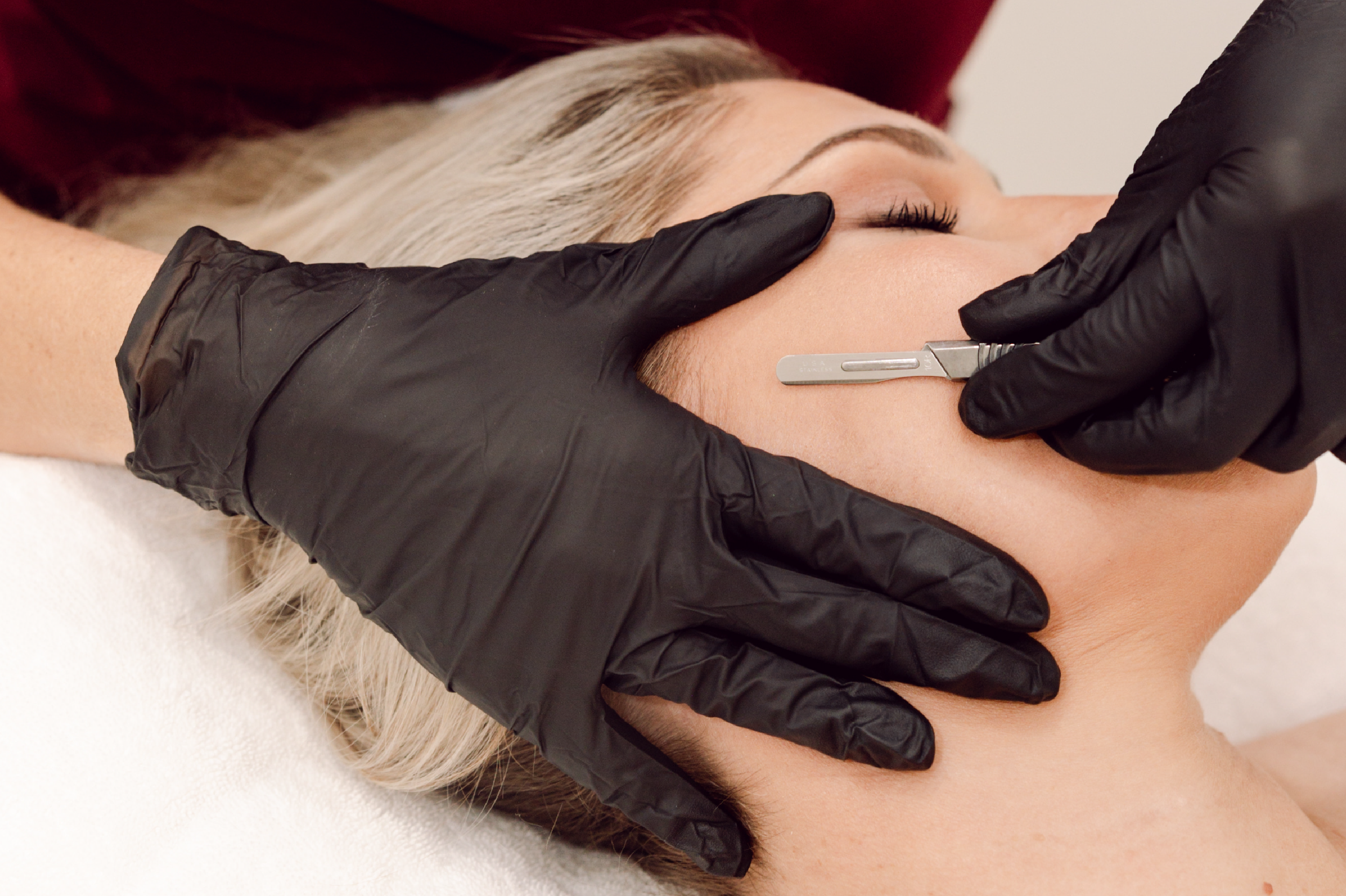
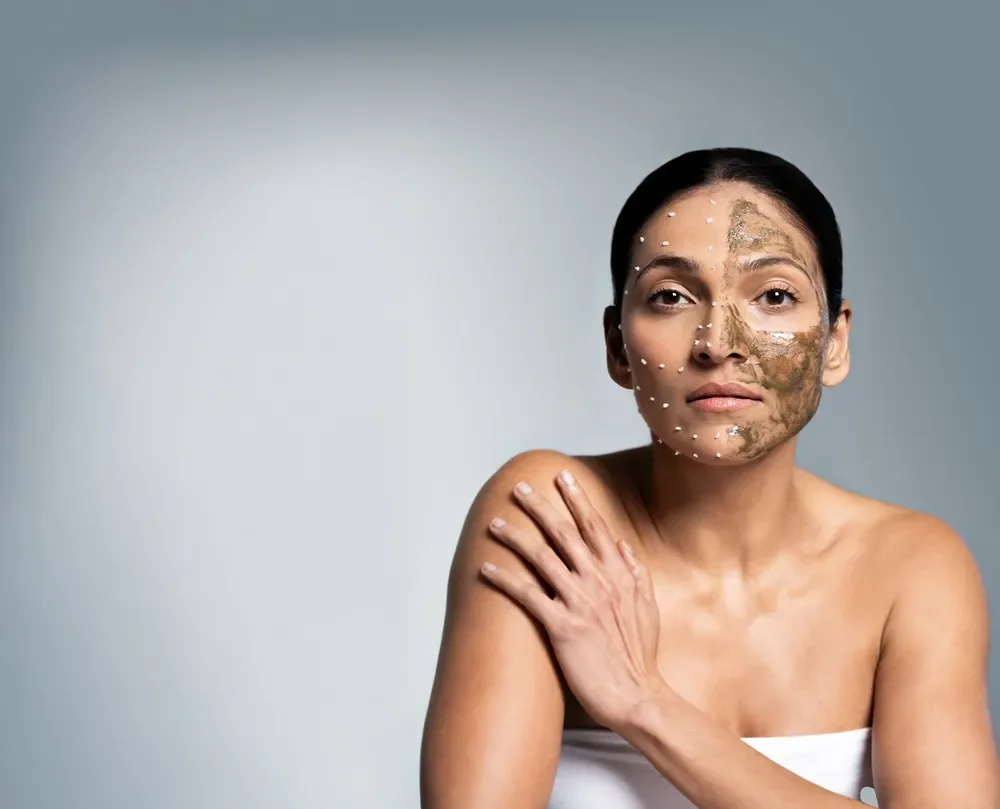
Spicules are microscopic, needle-like structures derived from purified freshwater sponge. Finer than a single hair, they're naturally rich in silica and minerals.

During treatment, they're gently embedded into the outermost layer of the skin, where they trigger a targeted micro-repair response. This activates your skin's natural renewal process without penetrating the dermis or compromising your skin barrier.

How does it work?

The spicules remain active in your skin for up to 72 hours after treatment, continuing to support cell turnover and collagen production long after you've left the clinic. It's a little like giving your skin a wake-up call, then letting it do the repair work itself.

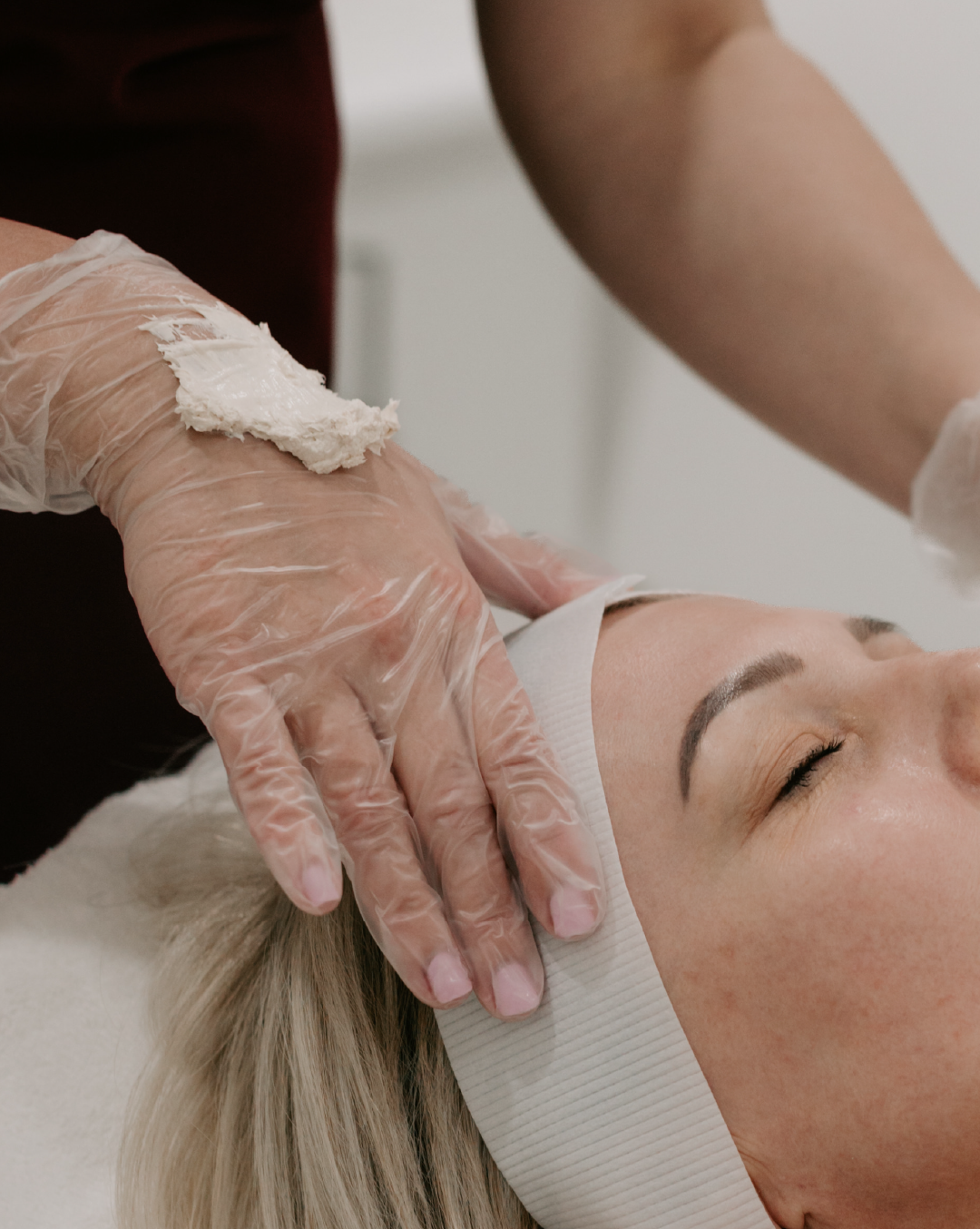
The treatment is delivered through a rich cream texture and is suitable for all Fitzpatrick skin types, including sensitive skin.

Two protocols, depending on what your skin needs

We offer the Dr Esthé treatment in 2 forms:

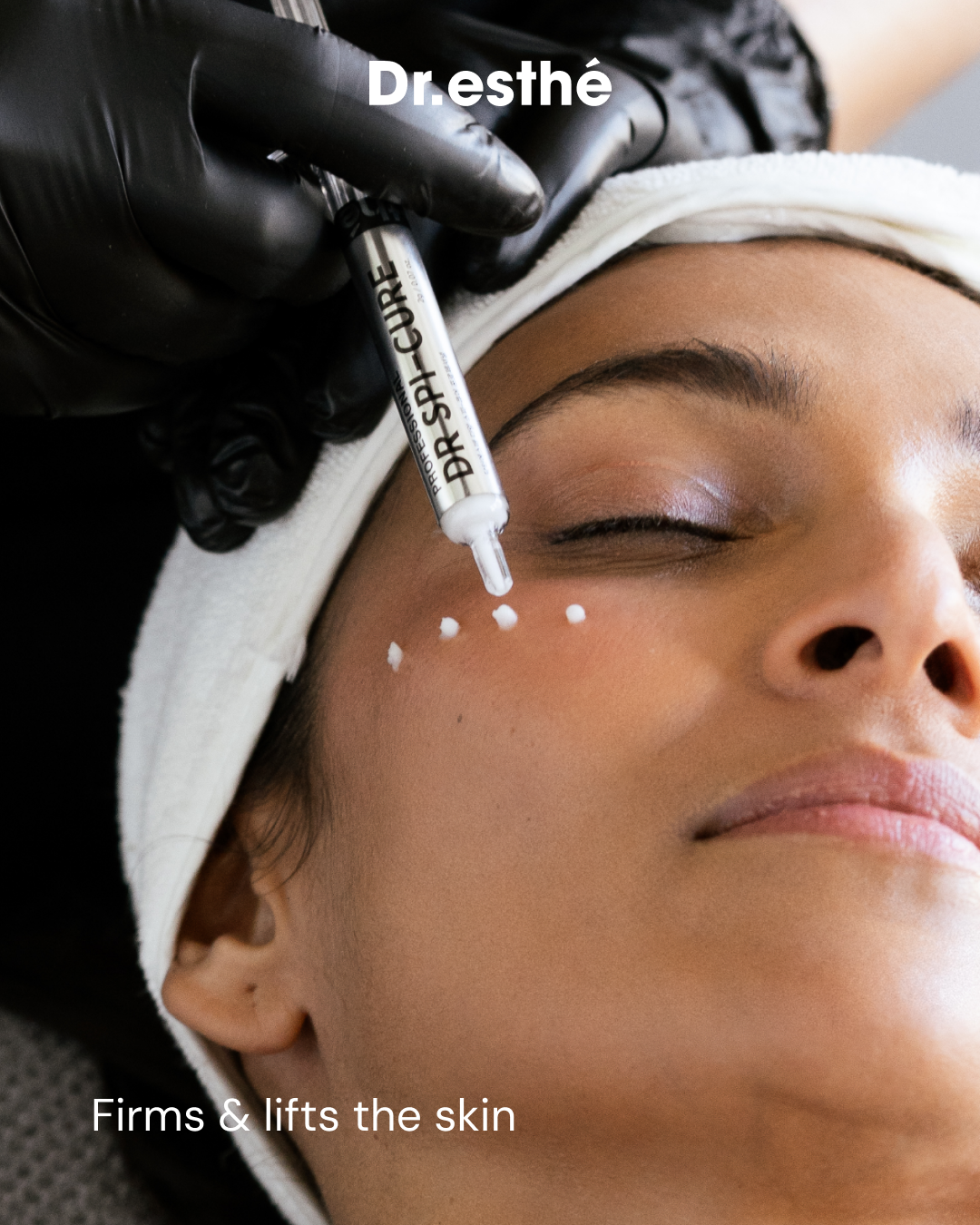
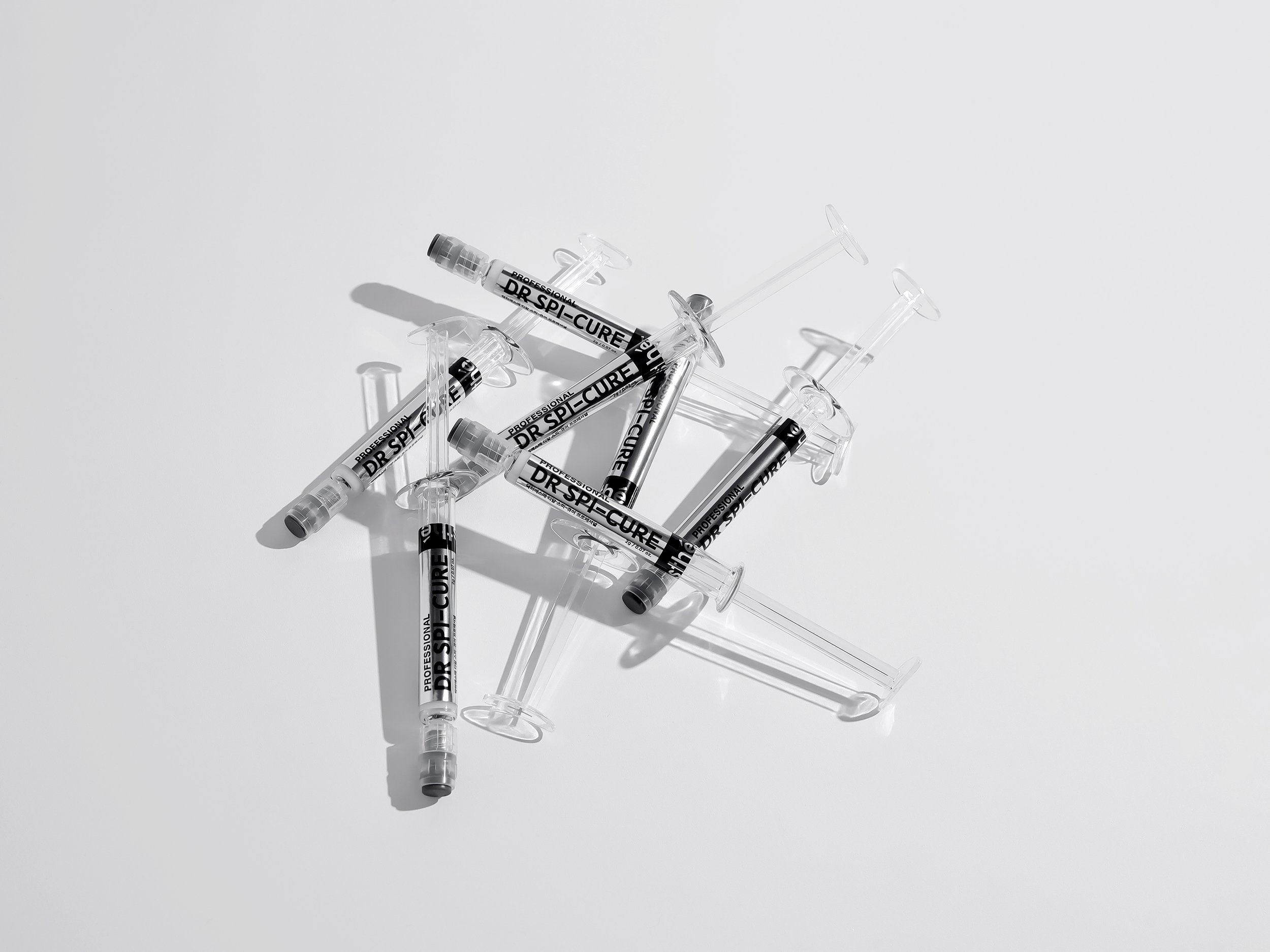
  • DR SPI-CURE targets ageing, fine lines and loss of elasticity, using a peptide complex and specialised niacinamide to support firmness and elasticity.

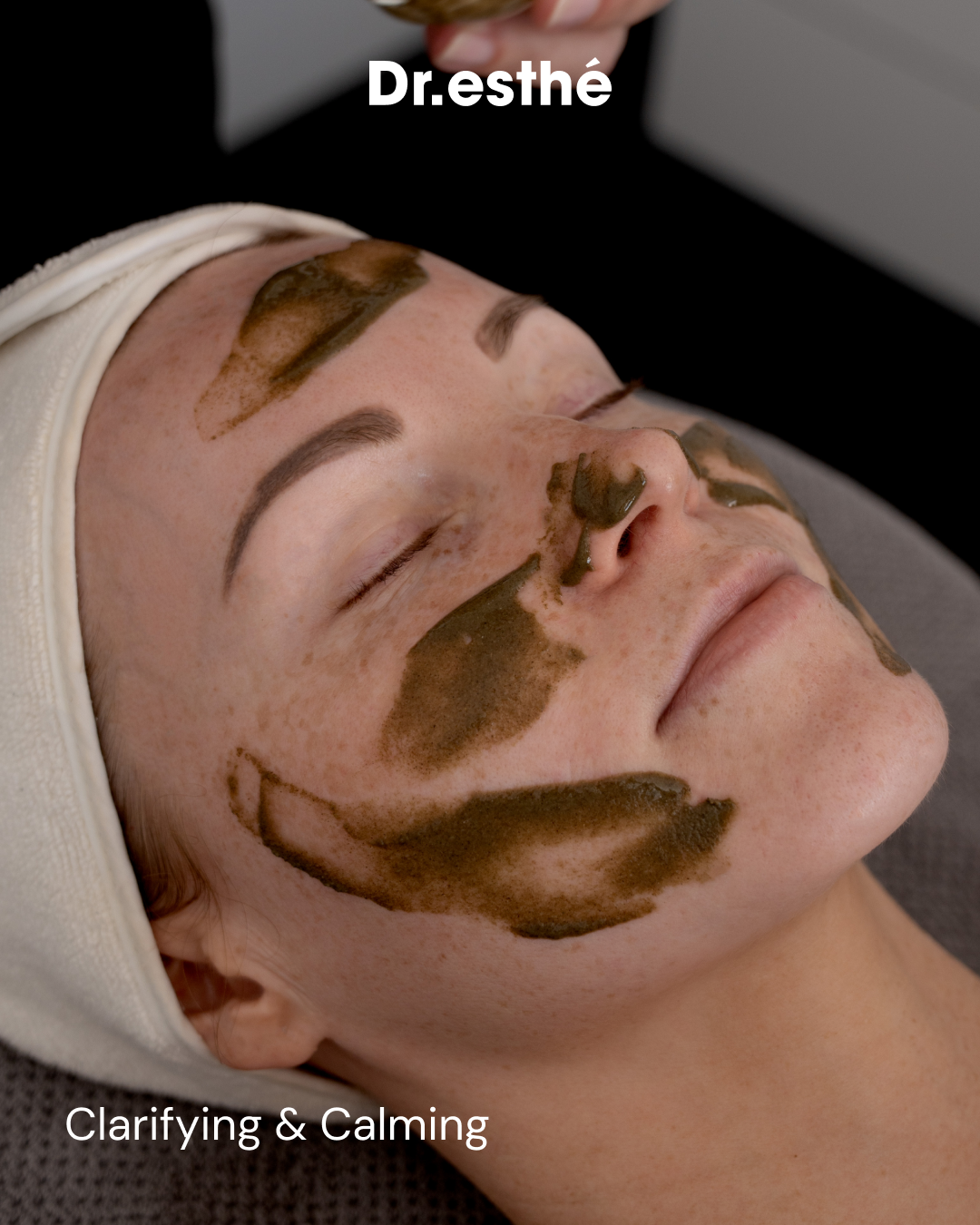
  • PEEL-N-GLOW focuses on resurfacing, whether that's brightening pigmentation or clarifying congestion and acne.

We'll help you choose the right one for your skin during your appointment.
DR SPI-CURE
PEEL-N-GLOW

What to expect during and after treatment

Most clients feel a light prickly or sandy sensation during treatment and for around 24 to 48 hours afterwards. Mild flaking often begins around day 2 or 3, as the skin completes its natural renewal cycle, and downtime is minimal throughout.

As with any active treatment, we recommend keeping skin hydrated, avoiding strong actives in the days after, and wearing daily SPF.

Why this is exciting for Roma

Advanced, internationally recognised treatments like this haven't always been easy to access outside major cities. Bringing the Dr Esthé Spicule Treatment to Tivoli Rose means our clients no longer have to travel for results-driven, globally trusted skin technology.
 

Introductory offer

To celebrate the launch, we're offering:

  • A single treatment for $199 (regular price $249)

  • A package of 3 treatments for $600, saving 20%

This offer is available for a limited time.

Frequently asked questions

Does the Dr Esthé Spicule Treatment hurt?
Most clients describe a mild prickly or sandy sensation rather than pain. There's no traditional needling involved.

How much downtime is there?
Minimal. Some clients experience mild flaking from day 2 or 3, lasting up to around a week, but daily activities aren't affected.

Who is this treatment suitable for?
It's suitable for all Fitzpatrick skin types and most skin concerns, including ageing, dullness, pigmentation and congestion. We'll confirm suitability for your individual skin during consultation.

How many treatments will I need?
Results build with consistency. A package of 3 is a great way to begin, with most clients moving to a regular maintenance schedule afterwards.

Ready to be one of the first to try it?

Book your Dr Esthé Spicule Treatment at Tivoli Rose today. Introductory pricing is available for a limited time.

Why Winter Is the Best Time to Treat Your Skin (And It's Not Just About UV)

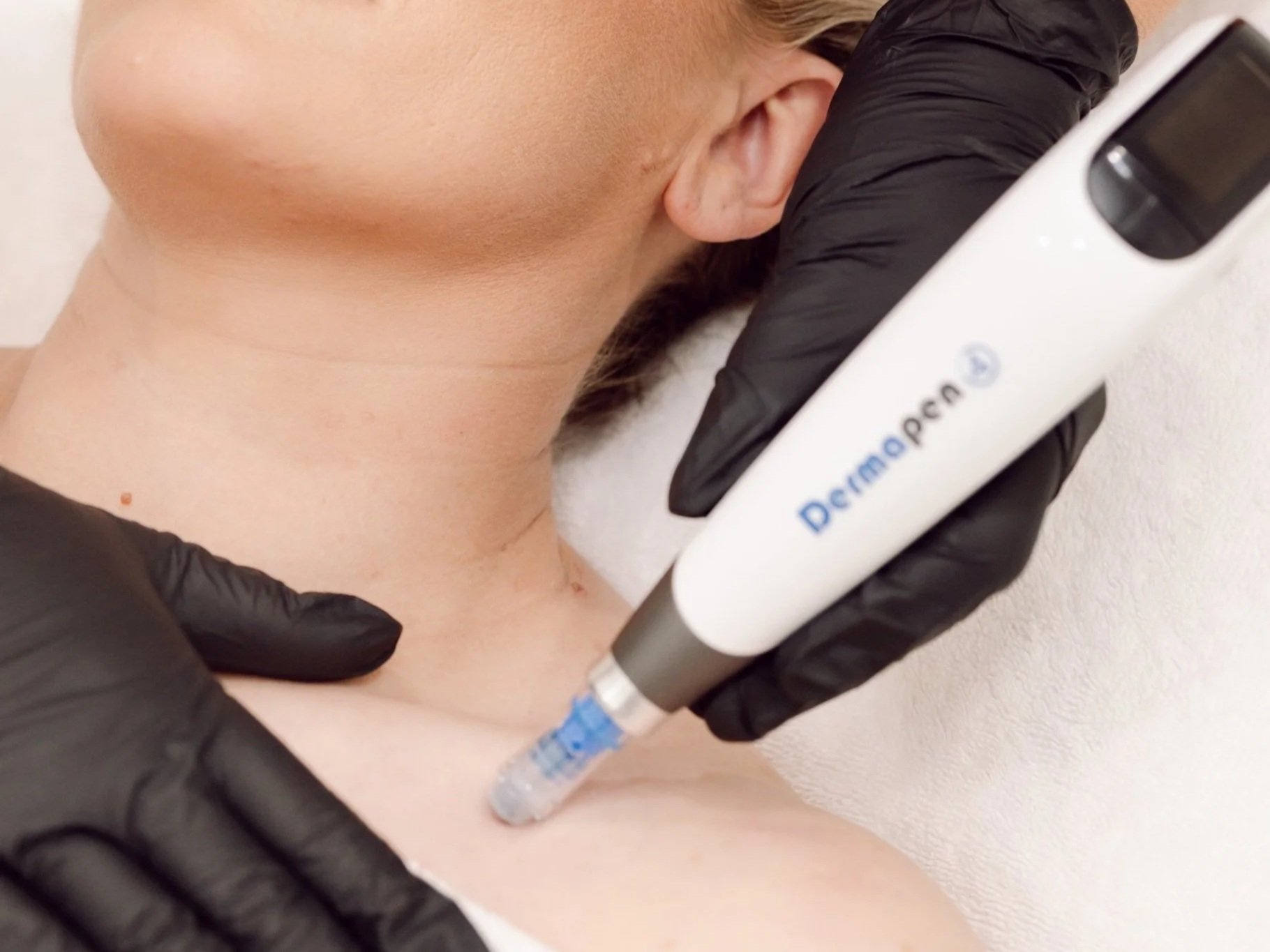
Winter is the best time for professional skin treatments because lower UV exposure reduces the risk of complications during recovery, cooler temperatures support a calmer healing response, and seasonal changes to the skin barrier make treatments like peels, Dermapen and resurfacing more effective. 

At Tivoli Rose in Roma, winter is when we see our clients get the most out of their skin investment.


It's not just about UV, although that matters too

Most people have heard that winter is "safer" for skin treatments because of lower sun exposure. That's true, but it's only part of the story.

UVB rays, the ones responsible for sunburn, are genuinely weaker in winter. This is the main reason treatments like chemical peels, Dermapen and IPL carry less risk of post-treatment pigmentation or complications when performed in cooler months. Less UVB means safer healing.

UVA rays, however, the ones responsible for long-term ageing and collagen breakdown, stay fairly constant year-round and can pass through cloud and glass. This is why we still recommend SPF every day, even through a Roma winter. Treating your skin in winter doesn't mean you can skip sun protection. It means your skin has a better window to heal without that risk getting in the way.

Why winter actually supports better results, not just safer ones

Beyond UV, there are real physiological reasons winter is a strong season to invest in your skin:

  • Your skin barrier is already under stress. Cold air and indoor heating pull moisture from the skin, which sounds like a downside, but it actually makes underlying issues like sensitivity, redness and uneven texture easier to identify and treat.

  • Recovery tends to be calmer. Lower outdoor activity and less direct sun exposure mean less interruption to the healing process after treatments like peels or microneedling.

  • It's the ideal time to build, not just maintain. Treatments that stimulate collagen, such as Dermapen or LED, need time to show results. Starting in winter means your skin is in a stronger position by the time spring and summer arrive.

What we recommend treating in winter

At Tivoli Rose, the treatments we see the most benefit from in cooler months include:

Where to start if you're not sure

If you're newer to professional treatment or unsure what your skin actually needs, the best starting point is a Skin Planning Session. We take images using our OBSERV skin imaging machine, talk through what's actually happening beneath the surface, and build a treatment and homecare plan specific to your skin and your goals.

Frequently asked questions

Is winter really better for skin treatments, or is that a myth?
It's supported by both clinical guidance and dermatology research. Treatments that increase sun sensitivity, such as peels, microneedling and laser-based treatments, carry lower risk of complications when performed during periods of lower UVB exposure, which is winter in most climates.

Do I still need SPF in winter?
Yes. UVA rays, responsible for premature ageing, remain present year-round and penetrate cloud cover and glass. Daily SPF is still essential, regardless of the season or how a treatment affects your sun sensitivity.

What's the best treatment to start with in winter?
This depends on your skin and goals, which is exactly what a Skin Planning Session is designed to assess. As a general guide, Dermapen and IPL are 2 of the most commonly recommended winter treatments due to their collagen-stimulating effects and reduced UV-related risk.

How soon will I see results from winter treatment?
This varies by treatment. Collagen-stimulating treatments like Dermapen typically show progressive improvement over a course of 3 to 6 sessions, spaced 4 weeks apart. Peels and resurfacing treatments often show more immediate, visible change.

Ready to make the most of winter for your skin?

Book a Skin Planning Session at Tivoli Rose, Roma's home for professional skin treatments, and find out exactly what your skin needs this winter.