
Why Winter Is the Best Time to Treat Your Skin (And It's Not Just About UV)
/Winter is the best time for professional skin treatments because lower UV exposure reduces the risk of complications during recovery, cooler temperatures support a calmer healing response, and seasonal changes to the skin barrier make treatments like peels, Dermapen and resurfacing more effective.
At Tivoli Rose in Roma, winter is when we see our clients get the most out of their skin investment.

It's not just about UV, although that matters too
Most people have heard that winter is "safer" for skin treatments because of lower sun exposure. That's true, but it's only part of the story.
UVB rays, the ones responsible for sunburn, are genuinely weaker in winter. This is the main reason treatments like chemical peels, Dermapen and IPL carry less risk of post-treatment pigmentation or complications when performed in cooler months. Less UVB means safer healing.
UVA rays, however, the ones responsible for long-term ageing and collagen breakdown, stay fairly constant year-round and can pass through cloud and glass. This is why we still recommend SPF every day, even through a Roma winter. Treating your skin in winter doesn't mean you can skip sun protection. It means your skin has a better window to heal without that risk getting in the way.
Why winter actually supports better results, not just safer ones
Beyond UV, there are real physiological reasons winter is a strong season to invest in your skin:
Your skin barrier is already under stress. Cold air and indoor heating pull moisture from the skin, which sounds like a downside, but it actually makes underlying issues like sensitivity, redness and uneven texture easier to identify and treat.
Recovery tends to be calmer. Lower outdoor activity and less direct sun exposure mean less interruption to the healing process after treatments like peels or microneedling.
It's the ideal time to build, not just maintain. Treatments that stimulate collagen, such as Dermapen or LED, need time to show results. Starting in winter means your skin is in a stronger position by the time spring and summer arrive.
What we recommend treating in winter
At Tivoli Rose, the treatments we see the most benefit from in cooler months include:
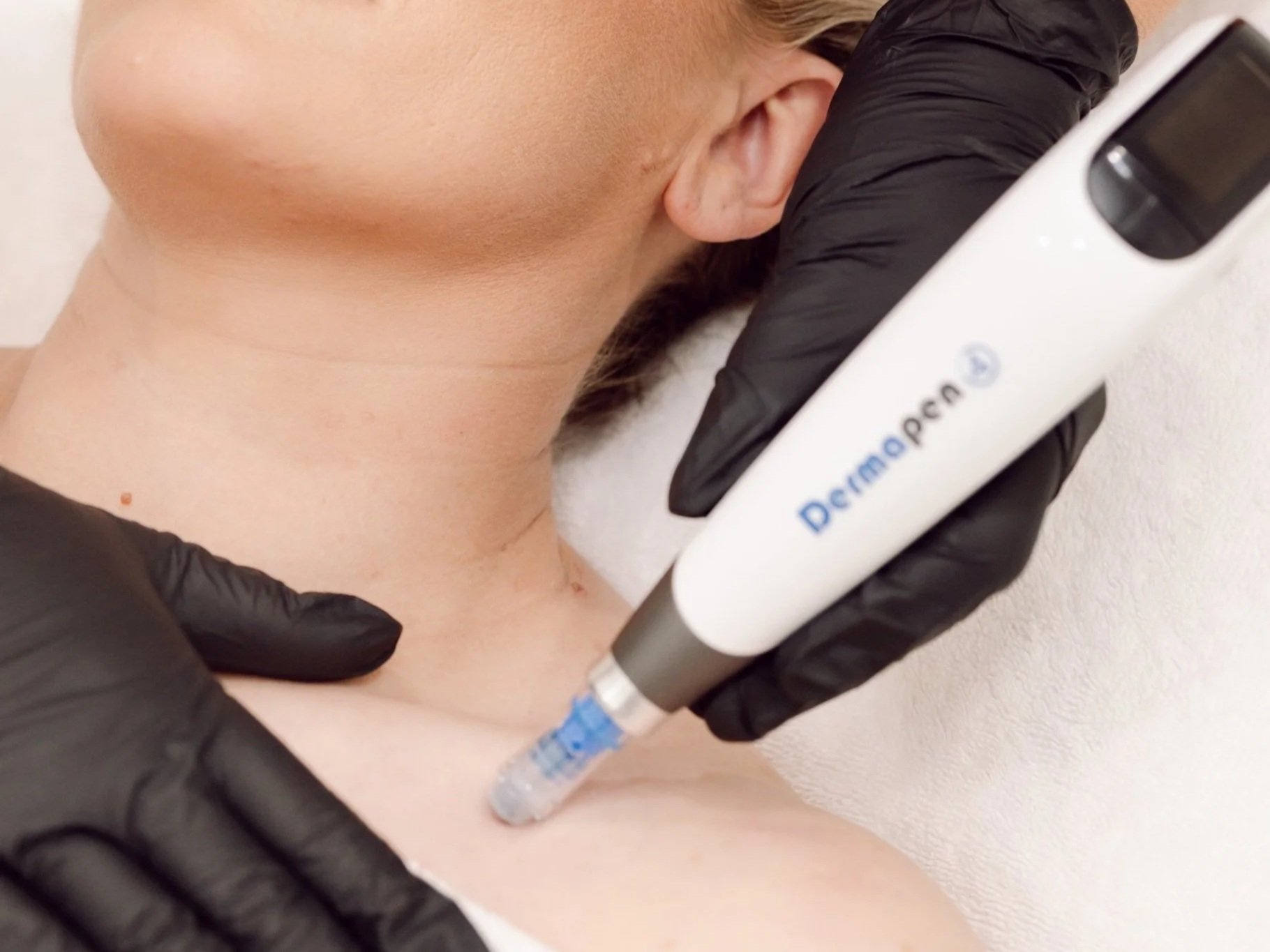
Dermapen 4 Microneedling, for texture, scarring, fine lines and collagen support
IPL Skin Rejuvenation, for pigmentation and vascular concerns, with lower UVB reducing recovery risk
O-Biome Lymphatic Therapy, to rebalance the skin's microbiome and restore what winter conditions deplete
Advanced and Power Peel Protocols, for clients ready to step into more intensive correction
Where to start if you're not sure
If you're newer to professional treatment or unsure what your skin actually needs, the best starting point is a Skin Planning Session. We take images using our OBSERV skin imaging machine, talk through what's actually happening beneath the surface, and build a treatment and homecare plan specific to your skin and your goals.

Frequently asked questions
Is winter really better for skin treatments, or is that a myth?
It's supported by both clinical guidance and dermatology research. Treatments that increase sun sensitivity, such as peels, microneedling and laser-based treatments, carry lower risk of complications when performed during periods of lower UVB exposure, which is winter in most climates.
Do I still need SPF in winter?
Yes. UVA rays, responsible for premature ageing, remain present year-round and penetrate cloud cover and glass. Daily SPF is still essential, regardless of the season or how a treatment affects your sun sensitivity.
What's the best treatment to start with in winter?
This depends on your skin and goals, which is exactly what a Skin Planning Session is designed to assess. As a general guide, Dermapen and IPL are 2 of the most commonly recommended winter treatments due to their collagen-stimulating effects and reduced UV-related risk.
How soon will I see results from winter treatment?
This varies by treatment. Collagen-stimulating treatments like Dermapen typically show progressive improvement over a course of 3 to 6 sessions, spaced 4 weeks apart. Peels and resurfacing treatments often show more immediate, visible change.
Ready to make the most of winter for your skin?
Book a Skin Planning Session at Tivoli Rose, Roma's home for professional skin treatments, and find out exactly what your skin needs this winter.